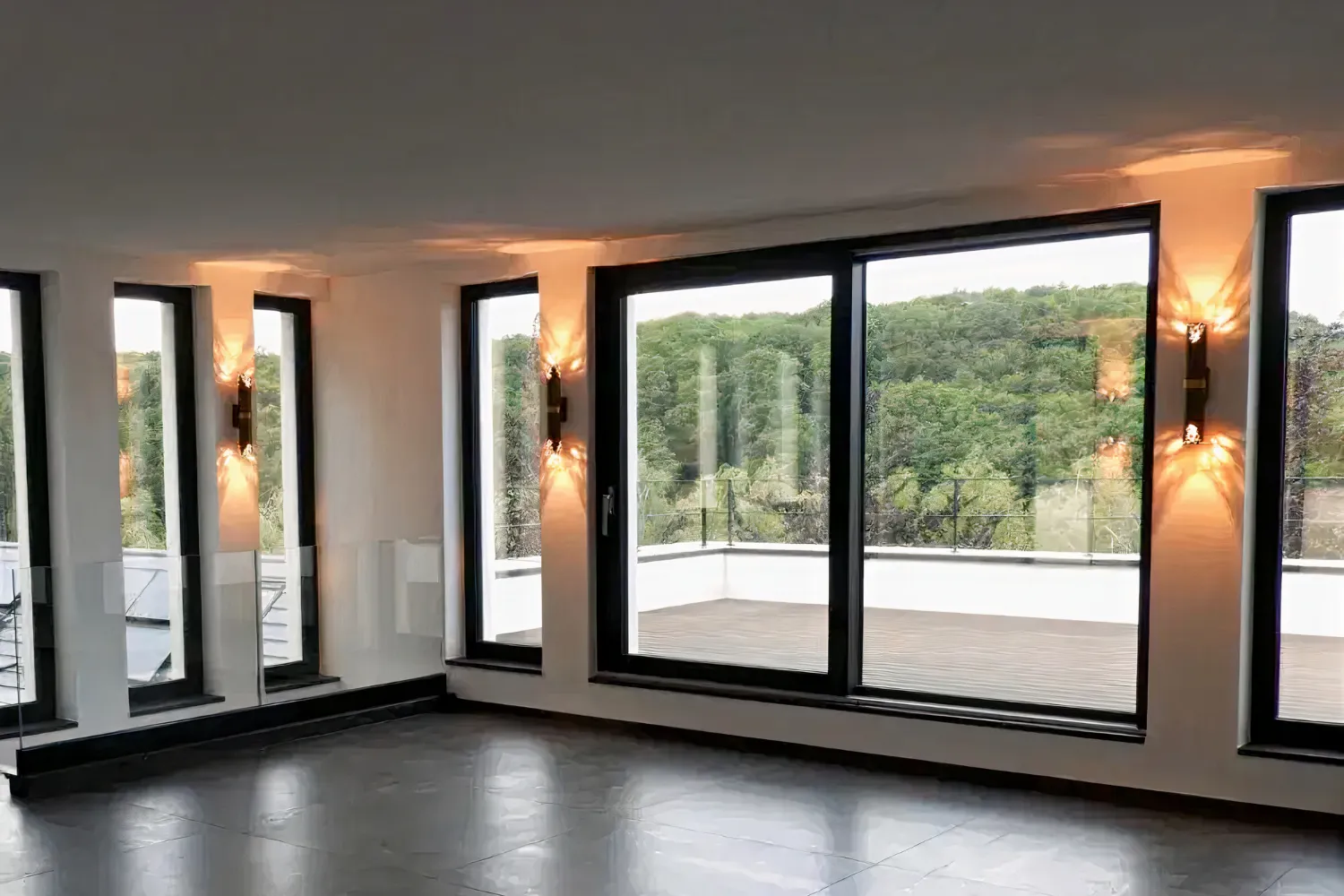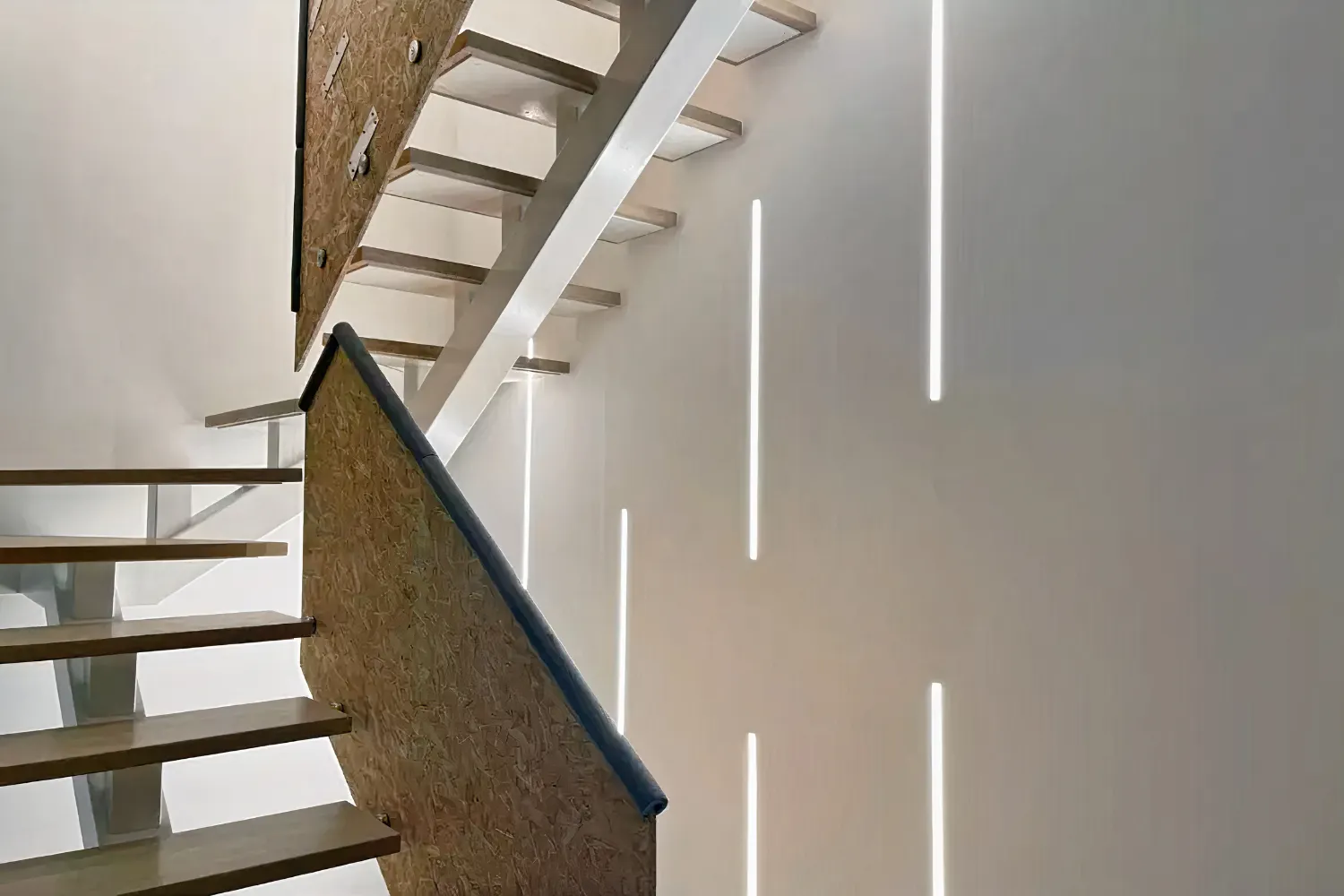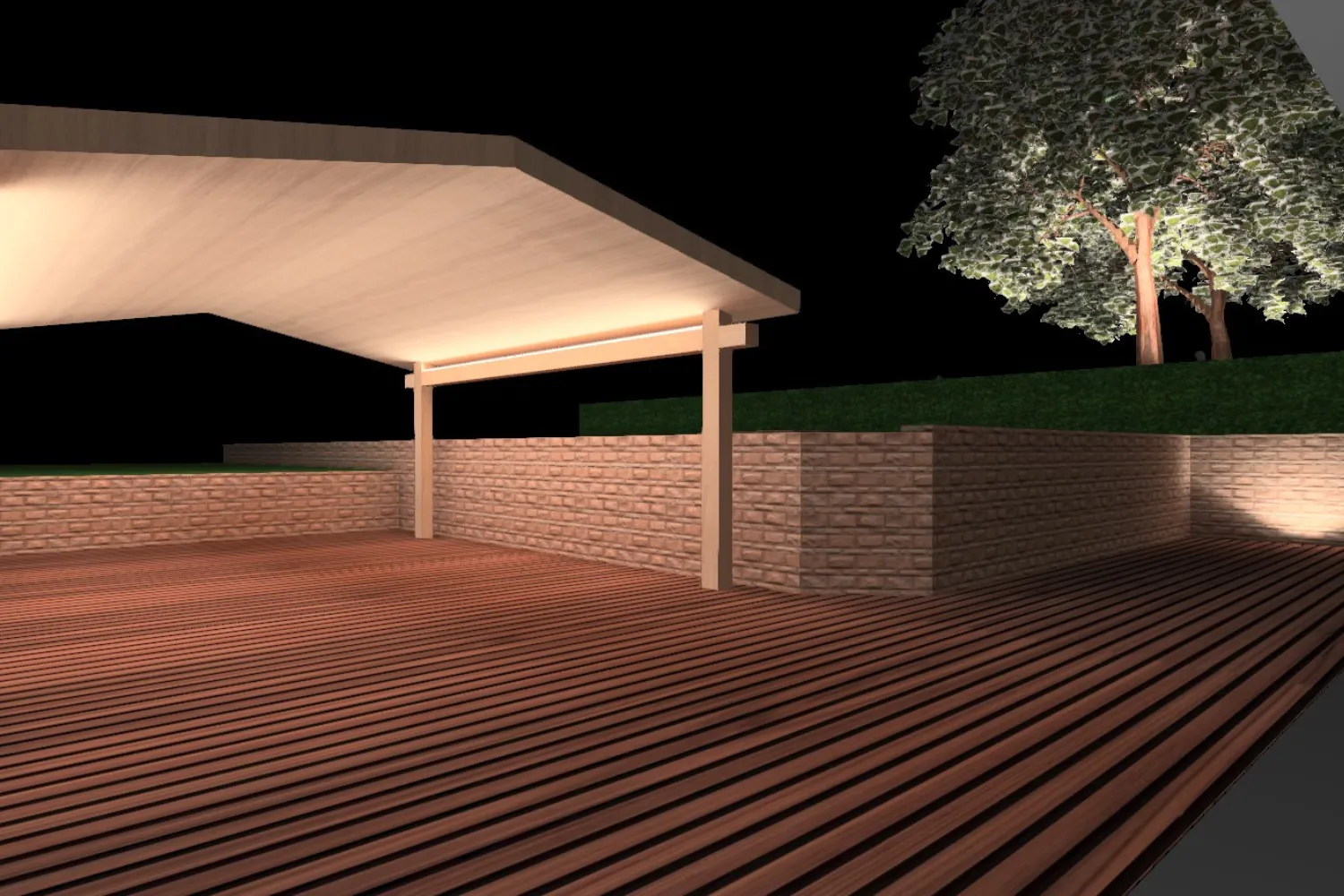


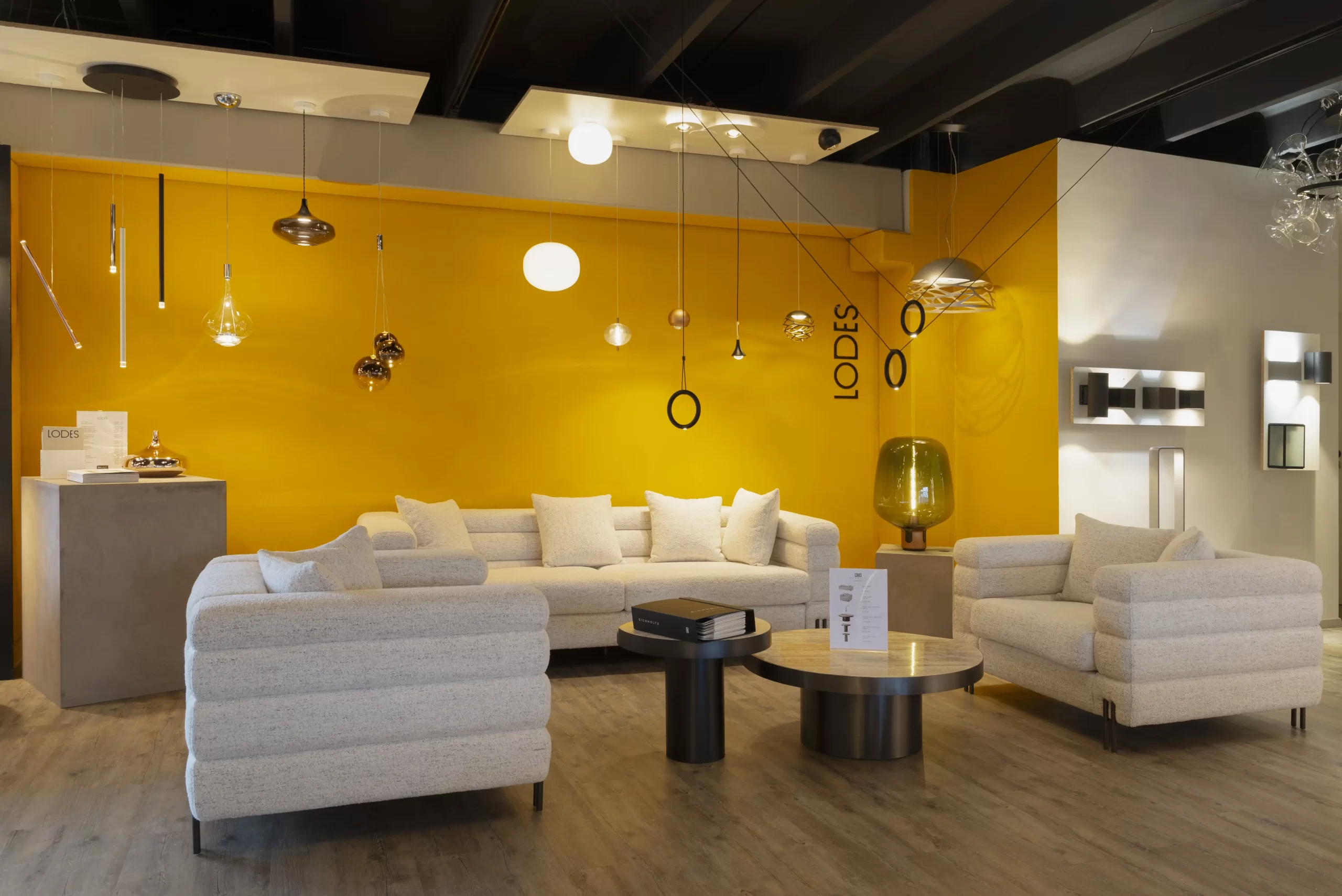
When designing lighting for a home, flexibility plays a central role. Unlike other technical aspects of interior design, strict regulations are limited. How light is experienced—its brightness, tone, and overall effect—largely depends on personal taste and individual sensitivity.
Lighting choices are shaped by the mood you wish to create, whether warm and intimate or bright and energizing. Wall colors, materials, and the amount of natural daylight also influence these decisions. Spaces with low daylight exposure often require artificial lighting during the day, with expectations that differ from those in the evening.
Some rooms, however, call for greater precision. Functional areas such as the kitchen, bathroom, and workspace need carefully considered light levels to ensure comfort, safety, and efficiency.
A tailor-made lighting approach is best achieved through a flexible setup that combines multiple light sources, separate switching options, and dimming controls. Fixtures with adjustable white tones further support visual comfort and natural biological rhythms. Working with a lighting specialist helps ensure a solution that is both balanced and perfectly adapted to the space.